
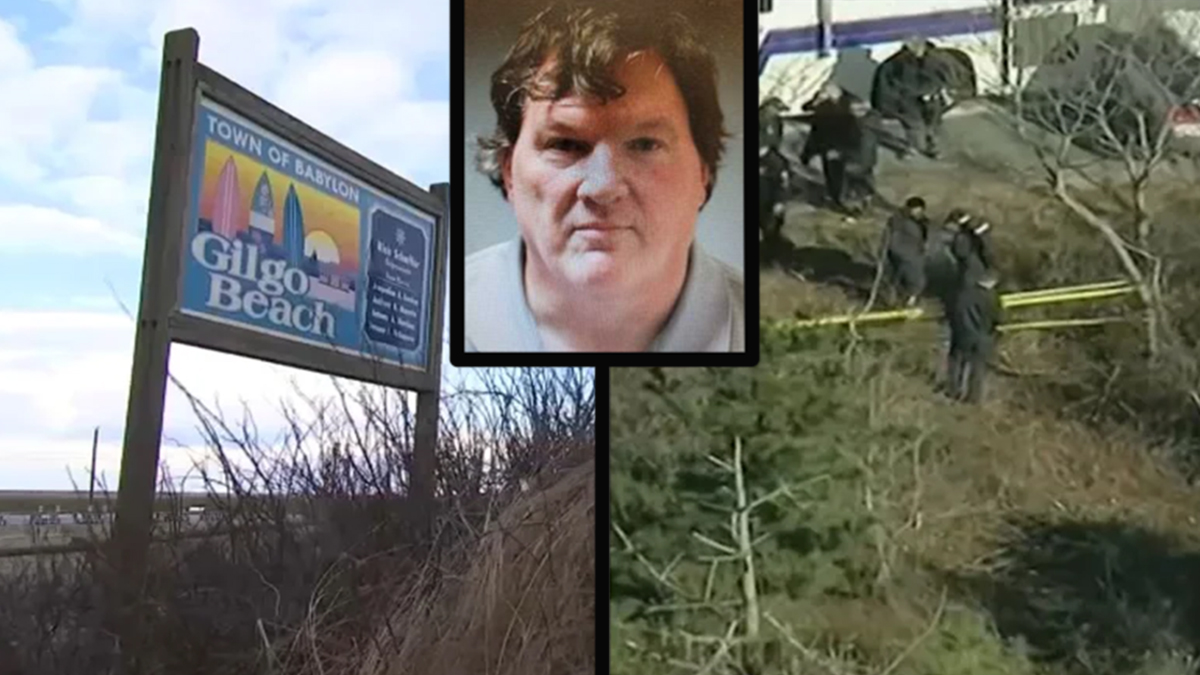
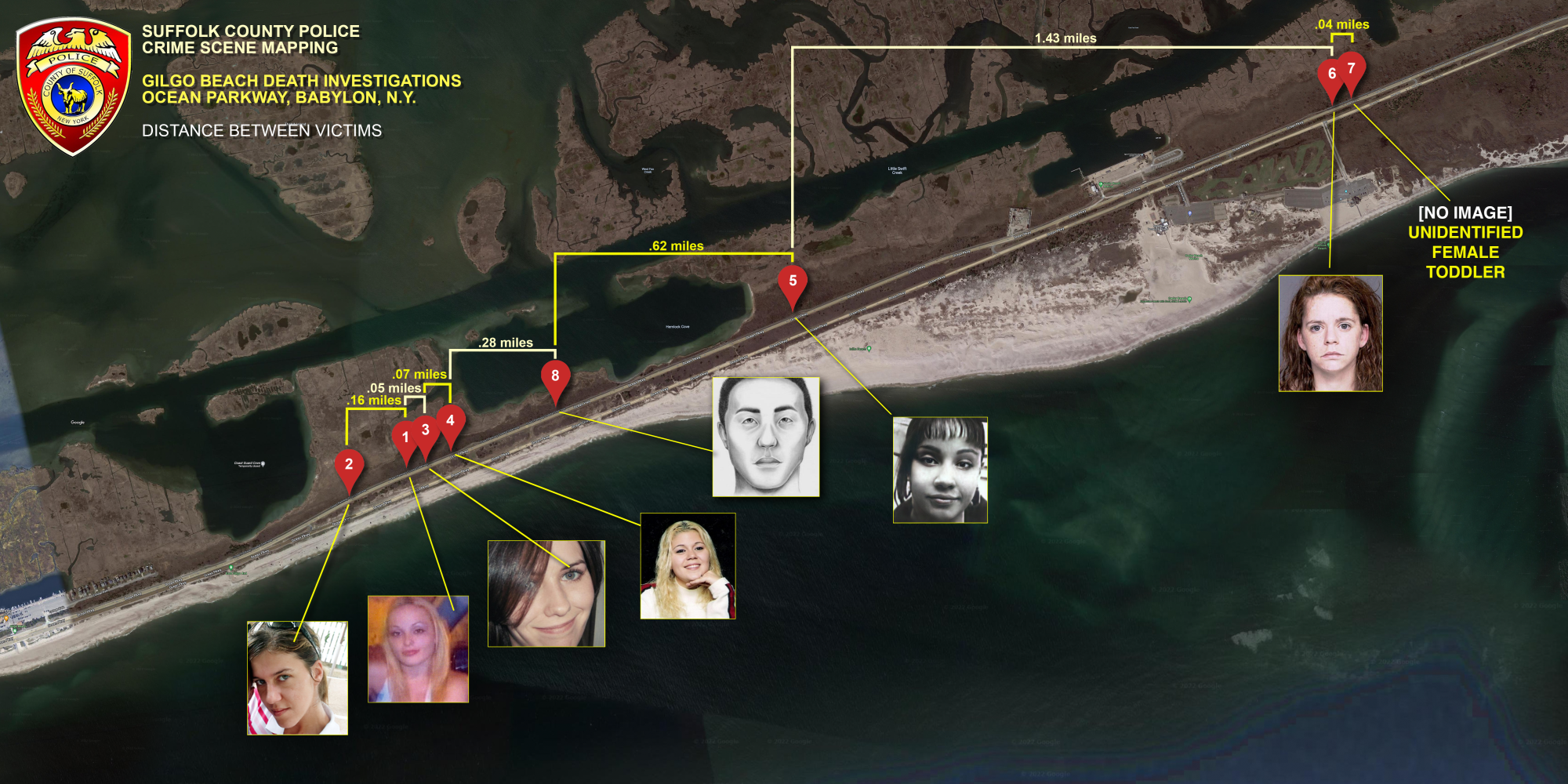
The man suspected of killing at least seven women and dumping many of their remains on a remote stretch of parkway near Long Island’s Gilgo Beach in a decade-long investigation that captivated the globe is changing his plea to guilty on Wednesday — and admitting to yet another murder in which he has never been charged.
The admission ends decades of speculation over who was behind the gruesome killings.
Heuermann, arrested on July 13, 2023, had been charged in the killings of seven women, many of them sex workers, over a period of 17 years, dating back to 1993.
A fresh look yields results
In 2022, six weeks after a new police commissioner formed the Gilgo Beach task force, detectives identified Heuermann as a suspect by using a vehicle registration database to connect him to a pickup truck that a witness reported seeing when one of the victims disappeared in 2010.
Heuermann lived for decades in Massapequa Park, about a 25-minute drive across a causeway spanning South Oyster Bay to the sandy stretch where the women’s remains were found. Some of the victims were believed to have disappeared from that community and their cellphones were found to have pinged towers in the area, authorities said.
After the truck discovery, a grand jury authorized more than 300 subpoenas and search warrants, allowing the task force to dig in to Heuermann’s life.
Detectives collected billing records for burner phones he allegedly used to arrange meetings with the victims, retested DNA found with the bodies and scoured Heuermann’s internet search history, which showed that he had viewed violent torture pornography and exhibited an intense interest in the Gilgo Beach killings and the renewed investigation. Cellphone data showed Heuermann was in contact with some victims just before they disappeared, investigators said.
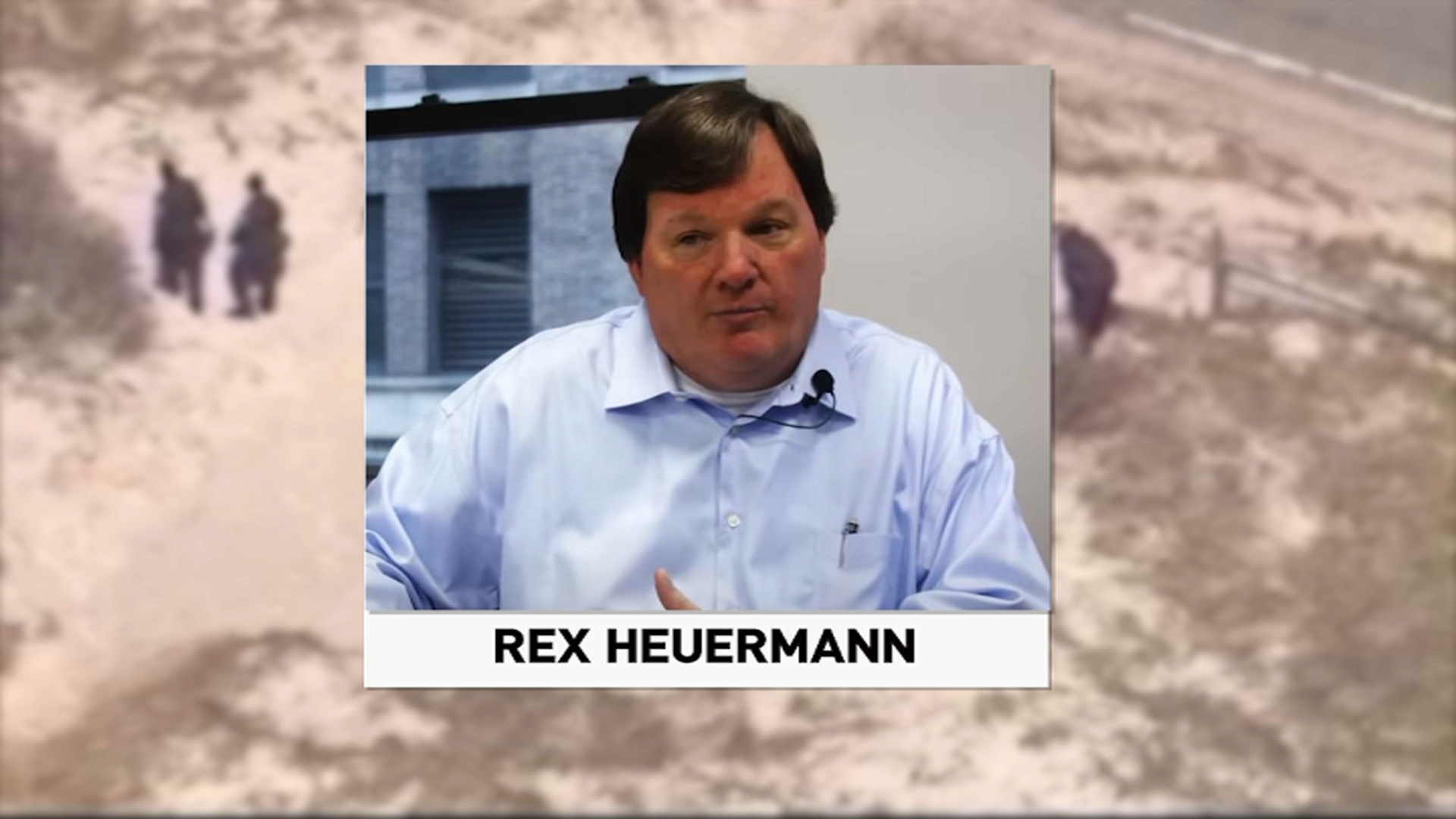
To obtain Heuermann’s DNA, a task force surveillance team tailed him in Manhattan, where he worked, and watched as he threw the remnants of his lunch — a box of partially eaten pizza crusts — into a sidewalk garbage can.
Investigators rushed in, grabbed the box, and sent it to the crime lab, which matched DNA from the crust to a male hair found on burlap used to restrain one of the victims. He was arrested in July 2023.
After Heuermann’s arrest, detectives spent more than 12 days searching his yard and home, where they found a basement vault that contained 279 weapons. On his computer, investigators said, they found what they described as a “blueprint” for the killings, including a series of checklists with reminders to limit noise, clean the bodies and destroy evidence.
Last year, a judge rejected Heuermann’s bid to exclude DNA evidence obtained through advanced techniques that prosecutors say proves he’s the killer.
The Associated Press contributed to this report.




0 Comments