
Emmalyn Perez dreamt up the idea for her Etsy business while living out of a van.
It was 2023, and she was traversing the U.S. with her husband, who picked up a job teaching French online. She was brainstorming ways to pitch in for their travel and day-to-day expenses when she was reminded of an old pandemic-era hobby: cross-stitching, a popular type of embroidery.
“I started posting [on YouTube] about cross stitch during the pandemic,” Perez said. “I realized I didn’t like a lot of the patterns I found … they were really, really old-fashioned.”
So she started making her own, setting up shop on Etsy under the name BewitchedStitchery.
Perez’s earliest patterns, which she was able to create on the road and sell digitally on Etsy — widely considered the top digital marketplace for small businesses — took inspiration from pop culture pillars like Taylor Swift and the “Twilight” and “Harry Potter” franchises. Her shop started to gain momentum, and once she settled down in one place, she expanded it to physical items, too.
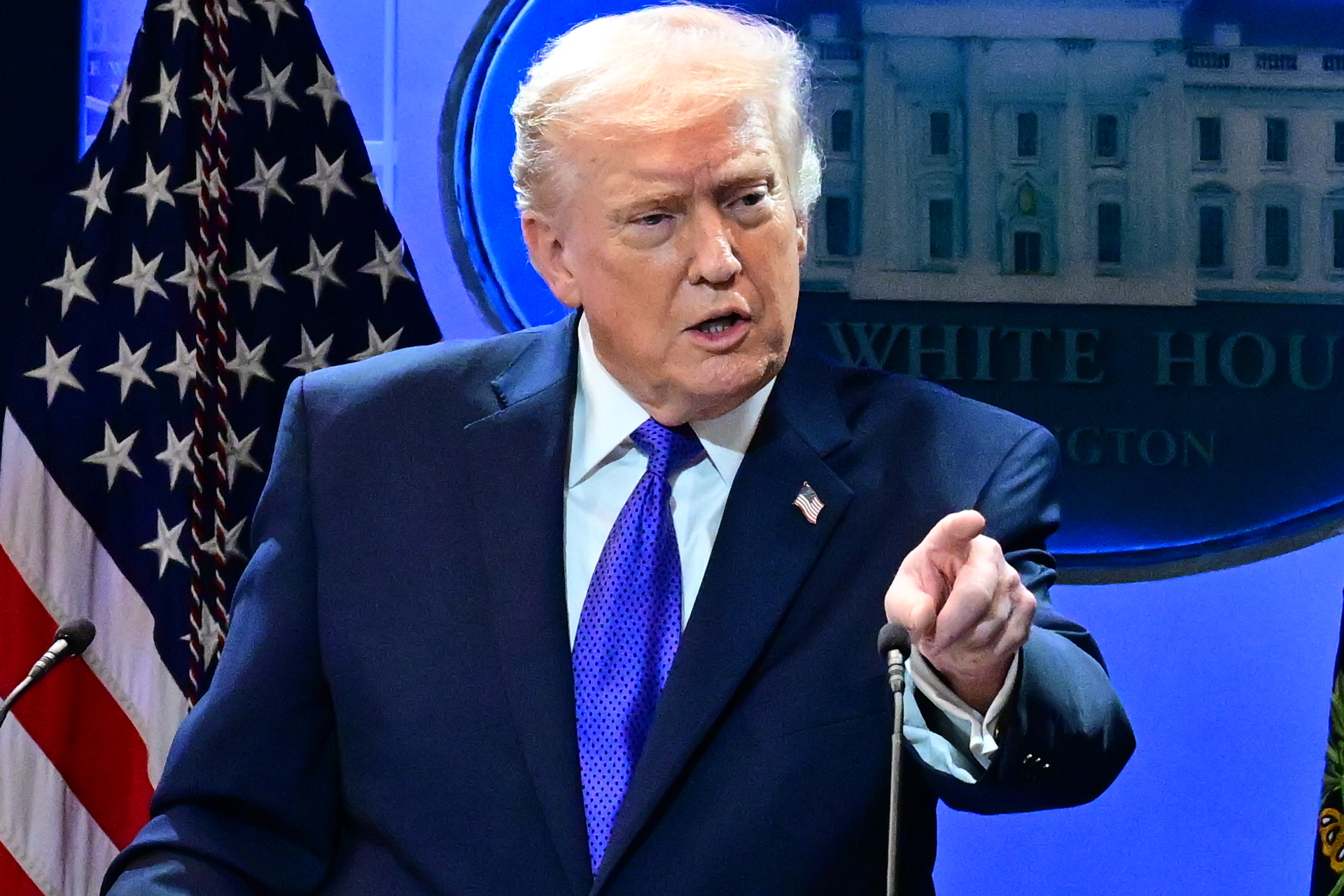
But that momentum hit a roadblock in February 2025, when President Donald Trump enacted global tariffs on imports from China. The Supreme Court ruled against some of the tariffs but Trump responded by imposing new ones, leaving an unsettled market.
One of Perez’s best sellers at the time was a tiny magnetic accessory called a “needle-minder” used to keep embroidery needles from getting lost or injuring the user. The machines that produce Perez’s product quickly and cheaply in China are heavily restricted in the U.S., because they’re similar to the machines used to make U.S. currency. Relocating production to the U.S. and still making a profit would be nearly impossible.
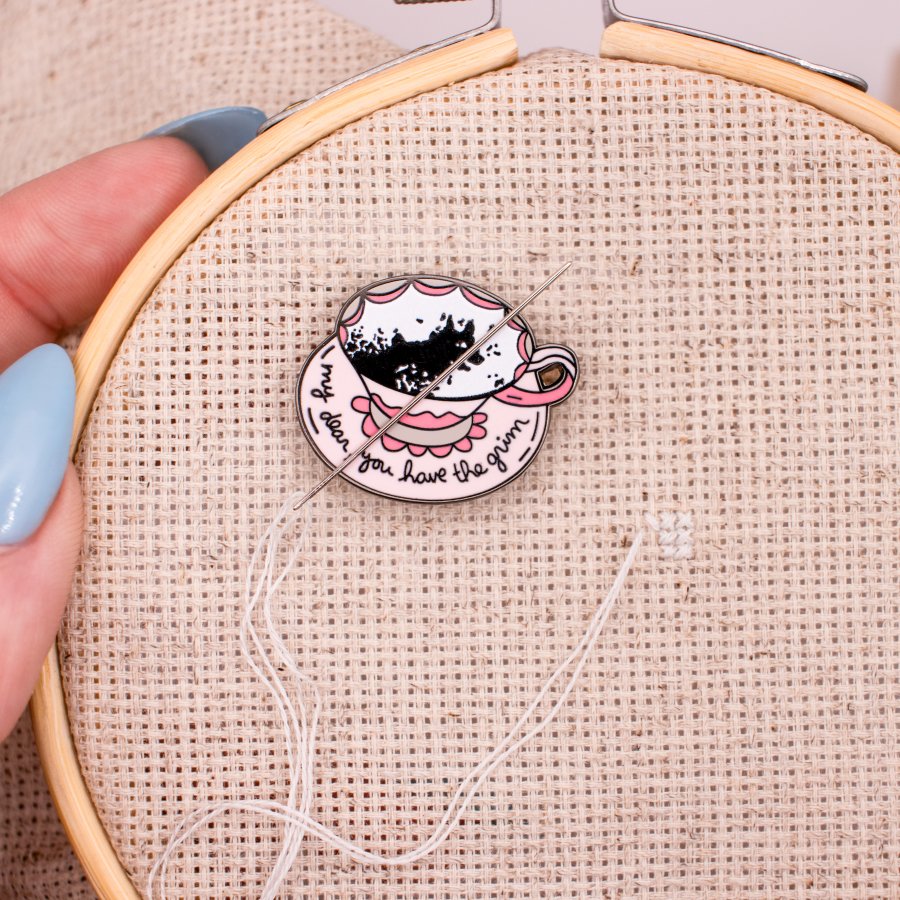
“Even if you work with an American company that can manufacture them for you, they’re still getting them from factories overseas. So that’s the hard part — you really can’t get around it with this particular product,” Perez said. “It’s a bummer, because they were big sellers.”
Perez is one of many Etsy sellers who say their businesses took a hit due to the Trump administration’s tariffs. In the months after the tariffs were first announced, sellers took to Etsy forums on Reddit to voice their concerns and ask for advice.
“Since adding U.S. tariffs to my shipping prices, U.S. customers have stopped buying. If this doesn’t change, it’s going to kill my business,” wrote a Canadian user who was selling similarly produced enamel pins.
As the tariffs kicked in, Perez struggled with sourcing her product. Items were no longer readily available to order, and if they were, they took longer.
Before the tariffs took effect, she said, she had never paid more than between $1.20 to $1.70 for a needle minder. Now, she said, it’s difficult to find any of the designs she has been buying since 2023 for less than $3, and some are discontinued as manufacturers seem to be limiting what they offer. Small tins that she uses for needle cases are the same price but shipping costs have risen, from about $80 for an order of between 400 and 500 to over $100 for an order in April. The price for round magnets that she uses for both products has risen from $20 for 200 to $30 or sometimes $40.
For the needle minder designs that she continued to sell, she raised prices from $9 to $12. Needle cases went from $6.00 to $8.00.
She slowly retired more and more of her products and watched her sales fall in tandem. In 2024 she brought in a $13,000 profit from Etsy. In 2025, she made just $6,000 — noting “It was not for lack of trying.”
Perez’s wasn’t the only shop hit by tariffs. When she posted a TikTok about her situation, others shared that they were struggling too, calling the ordeal “soul crushing” and saying their shops had “tanked.”
Throughout the summer of 2025, Trump announced more new tariffs. In addition to ones on goods from China, Mexico and Canada, he hiked steel and aluminum tariffs to 50%, with some exceptions, and began “reciprocal” tariffs that matched other countries’ tax rates on exports to the U.S.
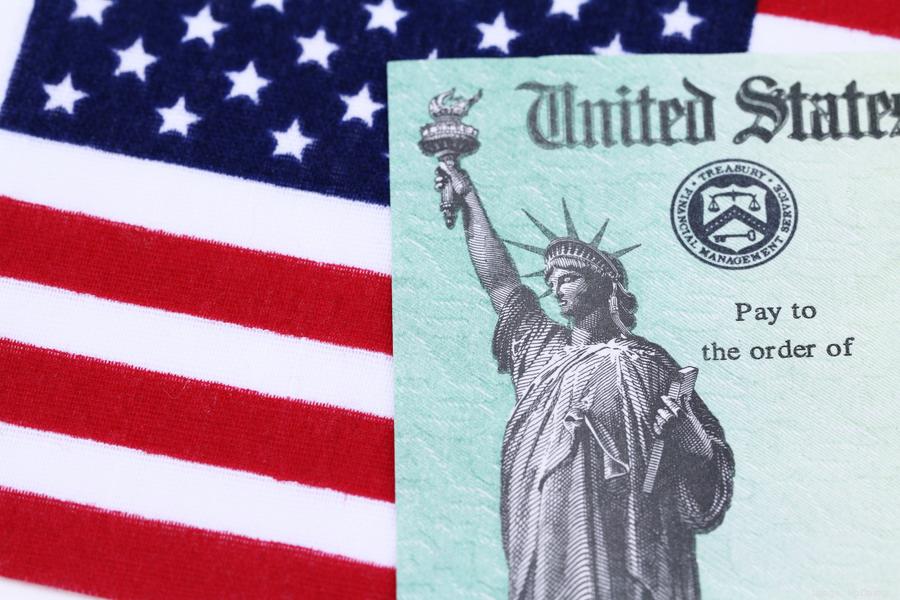
In the most widespread blow to small business sellers, Trump eliminated the de minimis exemption, a regulation dating back to 1938 that allowed low-value shipments to enter the U.S. duty-free. Prior to Trump’s elimination, items coming into the U.S. costing less than $800 were exempt from tariffs. Starting in August 2025, small purchases were no longer protected, meaning sellers were left to decide whether to eat the costs themselves, cutting into their profit, or raise prices.
“The de minimis exemption was one of the very few provisions in the U.S. tariff schedule that directly benefited small business retailers and moderate-income households,” said Gary Hufbauer, a nonresident senior fellow at the Peterson Institute of International Economics. Hufbauer is one of many economists who say the loss of de minimis had a disproportionate effect on lower income groups.
“It enabled [low-income consumers] to acquire $800 of foreign goods free of tariffs, the same that high-income travelers can bring back from Paris or Tokyo without tariffs,” he said. “Repeal of de minimis deals real financial pain to groups that count among Trump supporters.”
Amit Khandelwal, a professor of global affairs and economics at Yale University, agreed, referencing a paper he wrote titled “The Value of de Minimis Imports.”
“Our research found that lower-income consumers made use of the de minimis import channel through online platforms, like Shein and Temu,” Khandelwal said. “We further found that shutting down this channel would lead to higher prices and therefore affect lower-income consumers relatively more than higher-income consumers.”
John Diamond, a professor of economics at Rice University and senior finance fellow at the Baker Institute, called the loss of de minimis “100% a Trumpian target.”
“I don’t recall any administration before this bringing up the idea of imposing a tariff on products that were under the de minimis exemption,” he said.
Diamond did note that the Trump administration might have had more of a reason than previous administrations to do so. Popular online international marketplaces like Temu used de minimis to skirt tariffs by shipping items directly to buyers rather than sending large shipments to bulk warehouses in the U.S.
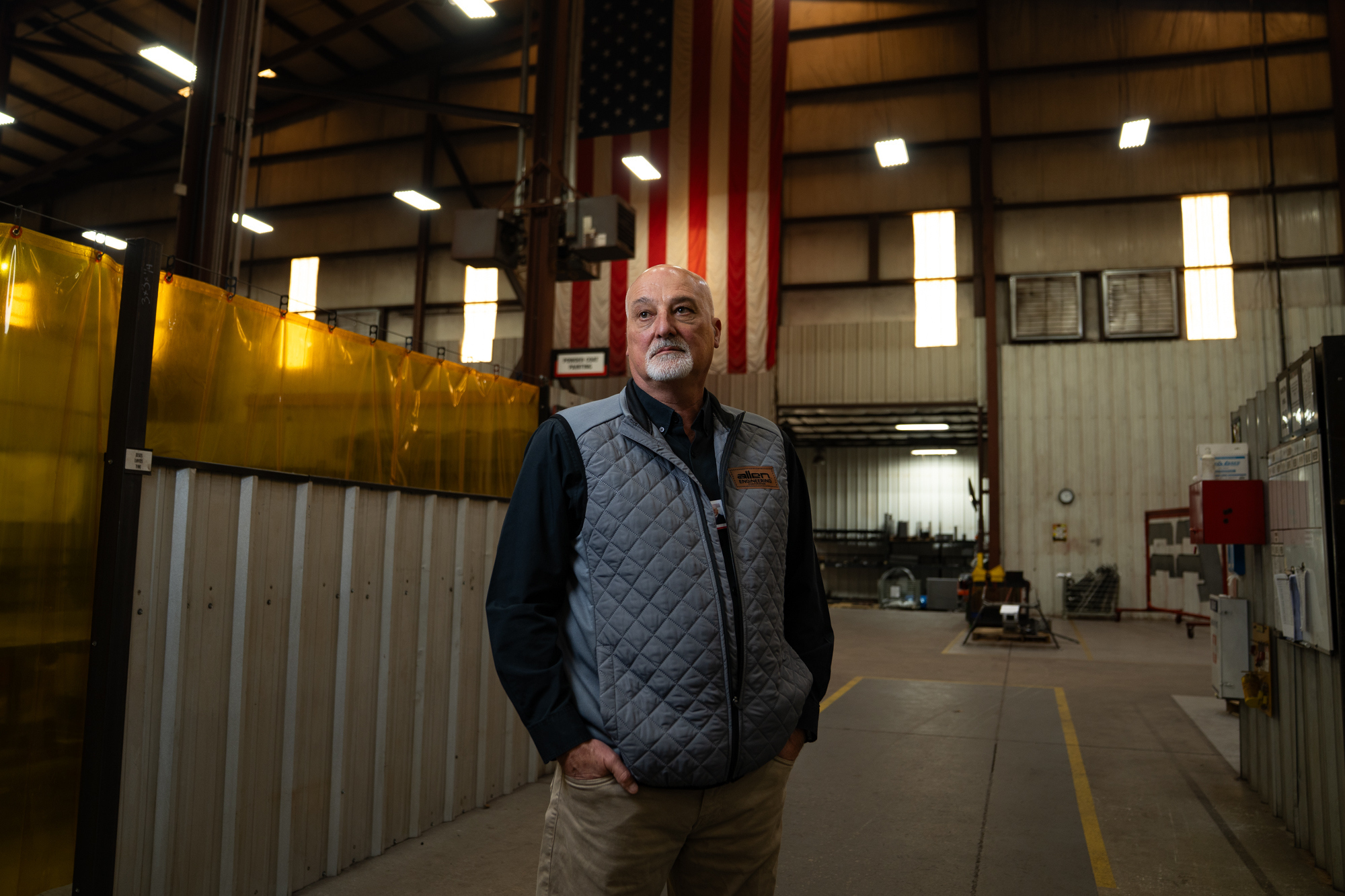
While the elimination of de minimis may have been intended to target larger firms, Diamond argues that these corporations are typically able to relocate production far more easily than small businesses.
“[Corporations] have the know-how, they have the manpower to do that. A small producer in the U.S. that doesn’t have those connections… they’re left at a real competitive disadvantage,” Diamond said.
Trump has argued the tariffs are necessary to ensure fair trade, protect American workers and reduce a persistent trade deficit which he blames for the decline in the country’s manufacturing base.
Asked about the damage that Etsy sellers attribute to Trump’s tariffs, the White House did not respond directly. In a statement, White House spokeswoman Taylor Rogers instead cited the tax cuts Trump pushed through Congress and regulatory changes he championed.
“The Working Families Tax Cut delivered major victories for small businesses by making the small business deduction permanent, allowing 100 percent expensing for equipment and expansion investments, boosting take-home pay, and expanding Opportunity Zones to drive capital into underserved communities,” Rogers said in a statement.
Democrats counter that the tax cuts mostly benefit the richest Americans, not small businesses, and the Congressional Budget Office says they will add than $3.4 trillion to the budget over the next decade.
Since its creation in 2005, Etsy’s priority has remained to serve as the bridge between small business sellers and consumers, its mission statement reading “to keep human connection at the heart of commerce.” But some sellers say they haven’t felt supported by the platform post-tariffs.
Cindy Baldassi is a Canadian who has been selling jewelry on Etsy since 2009.
She initially opened her Etsy shop as a part-time gig while in a Ph.D. program, but when she had to drop out due to a neuromuscular disability, she turned to selling full time. Over time she found herself not only thriving as a shop owner, but lending advice to other sellers through blogging, and eventually launching a full-blown e-commerce consulting business.
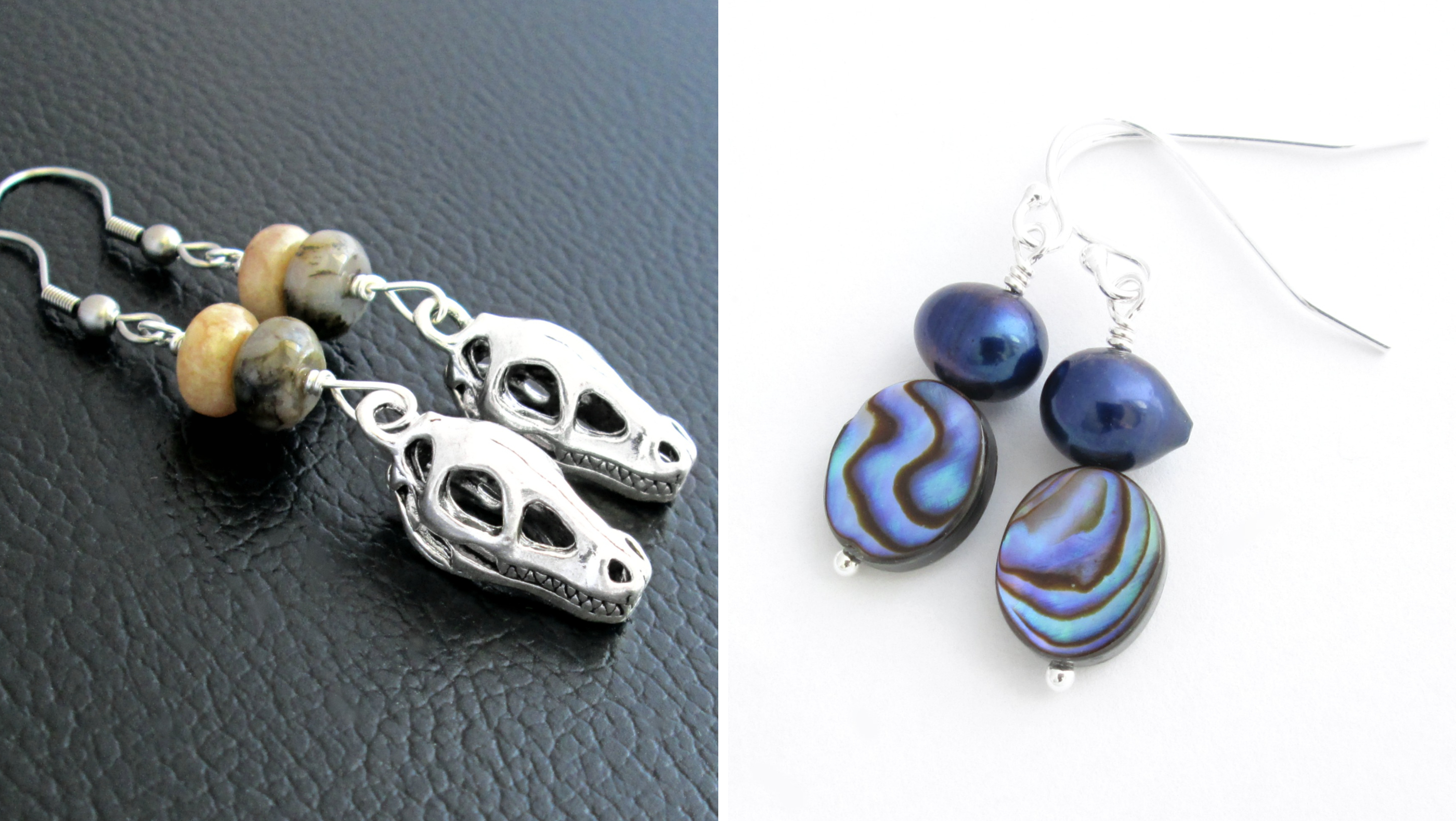
She now consults to both investment groups and individual sellers. She’s heard similar stories to Perez’s in her work, and had to adjust her own business operations as well.
“It’s largely been an issue of not being able to sell people things that they want, and by shipping being more expensive and more cumbersome,” Baldassi said. “I had to buy little made-in-Canada labels to put on every single item I ship to the States now, because that’s part of the customs requirements.”
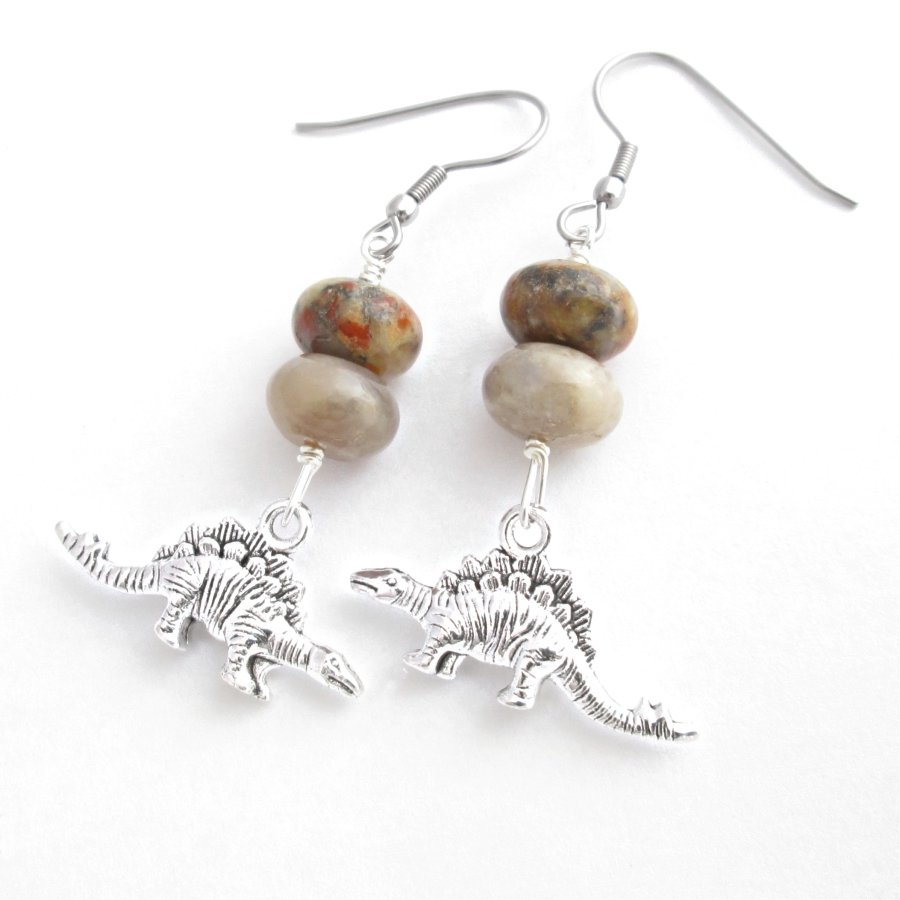
She’s also stopped selling her wire wrapped jewelry pieces and keychains to the U.S. because of steel tariffs, and largely moved her shop operations over to a web store independent of Etsy.
On a corporate level, Etsy took a hit in the last year, though it’s difficult to determine whether or how much of that loss was due to tariffs. First quarter revenue dropped $20 million from 2025 to 2026, the first drop since 2015. The company’s first quarter report to shareholders from this year attributed the difference to the sale of Reverb, an online vintage marketplace for musical instruments that Etsy bought in 2019 and sold mid-2025.
“This makes year-over-year continuing operations results not directly comparable,” the letter reads.
The report shies away from mentioning tariffs, only using the word once as a possible explanation for a rise in average order value amount.
Baldassi believes the scope of options on the site has protected Etsy from experiencing the losses many shops have.
“The site is so large — well over 100 million items listed — that if someone in Switzerland stops shipping to the United States, an American buyer will likely find that item somewhere else,” she said.
It’s rather the sellers — 80% of which are female, and over half American — who have felt the brunt of the sweeping changes.
“It was really traumatic for a lot of sellers. Some countries still do not have an affordable way to ship to the United States,” Baldassi said. “One woman who I’ve known on Etsy for over 17 years … is going to be shutting down her business once she is out of supplies, because her supplier will no longer ship to the United States.”
Etsy has offered sellers some guidance to help them adapt to tariffs — publishing articles in its seller handbook like “Navigating Evolving Global Tariff Policies” that gives recommendations like paying tariffs and duties upfront so that the buyer doesn’t get hit with any surprise fees.
Still, Baldassi says she has found the company’s response underwhelming.
“They haven’t really done a lot to help non-U.S. sellers, quite frankly, during this time,” Baldassi said, citing a pricing calculator that she says has had unfixed glitches for years. “Sometimes sellers aren’t getting the tariffs paid anyway, even when they’ve added it to the price.”
“Navigating tariffs and shifting cross-border requirements can be challenging, especially for the businesses on Etsy that are often one-person operations,” said Roman Sobieri, Etsy’s head of global shipping. “Making tariffs easier to manage requires collaboration across businesses, marketplaces, carriers, and governments, and Etsy is committed to being a constructive participant in these efforts.”
Etsy’s sellers ship from over 230 countries and territories, making it difficult to create a “one-size-fits-all solution for every shop,” Sobieri said.
He notes that the Etsy is dedicated to helping sellers adapt to a changing trade environment, adding that the company is engaging with both sellers and policymakers. As of the date of publication, Etsy has not publicly lobbied against Trump’s tariffs.
February 2026 brought a glimpse of optimism to small businesses when the Supreme Court ruled that the International Emergency Economic Powers Act cannot be used to impose tariffs as Trump did. This invalidated some previous tariffs on imports from other countries, opening the door for businesses to request tariff refunds.
Even still, the Trump administration tried to maintain tariffs by housing them under different sections of the Trade Act, such as using Section 122 of the Trade Act of 1974 to implement 10% worldwide tariffs.
On May 7, a federal court ruled against these new tariffs following a lawsuit by small businesses, the court majority calling them “invalid″ and ”unauthorized by law.” But Trump has said he will use other legal authority to impose tariffs, leaving small businesses facing more economic uncertainty.
As businesses begin to file for refunds, some Etsy sellers like Perez don’t feel that the trouble is worth it anymore. “Personally, I just … I think I’m just going to continue to let [my shop] go the way it’s going, which is dying,” Perez said.
While Perez considers herself a realist about her shop’s direction (in 2025, she decided to go back to school), she still grieves for her shop and the decline of “the hobby space.” She says she finds it ironic that Etsy products like hers — which serve as an escape from today’s tumultuous political landscape — have become less accessible as a direct result of those policies.
“I’m a big hobby advocate. I think that it really is like the best thing for people’s mental health, especially with screens everywhere … It feels so good to do something with your hands,” Perez said. “It really is a bummer that it is probably one of the hardest hit places.”
This story uses functionality that may not work in our app. Click here to open the story in your web browser.




0 Comments